

In today’s fast-paced world, it’s easy to overlook the intricate journey our food takes before it reaches our plates.
Understanding this journey is crucial, not just for our health, but also for the well-being of our communities and the planet.
The Food Supply Chain: From Farm to Fork
The path food travels from its origin to our tables involves several key stages:
- Production: This is the initial stage where crops are cultivated and livestock is raised. Factors such as soil health, climate conditions, and farming practices play pivotal roles in determining the quality and yield of produce.
- Processing and Packaging: After harvesting, raw food items often undergo processing to enhance flavor, extend shelf life, or create new products. Packaging ensures that food remains safe during transportation and storage.
- Distribution: This phase involves transporting food from processing facilities to various outlets like grocery stores, restaurants, and markets. Efficient distribution systems are essential to maintain food quality and minimize waste.
- Consumption: The final stage where consumers purchase and prepare food for consumption. Choices made at this stage can influence health outcomes and drive demand for certain types of food.
Why Understanding This Journey Matters
Health and Nutrition
Being aware of where and how our food is produced allows us to make informed dietary choices. Foods sourced locally and consumed fresh often retain more nutrients compared to those that have traveled long distances.
Moreover, understanding food origins can help in identifying potential allergens or contaminants, thereby safeguarding our health.
Environmental Impact
The methods employed in producing, processing, and transporting food have significant environmental implications.
For instance, conventional farming practices that rely heavily on chemical fertilizers and pesticides can degrade soil and water quality.
Conversely, sustainable practices like crop rotation and organic farming promote ecosystem health.
Additionally, sourcing food locally reduces the carbon footprint associated with long-distance transportation.
Economic and Community Benefits
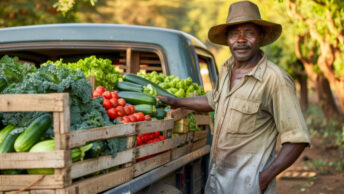
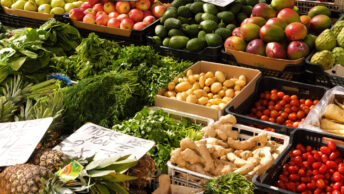
Supporting local food systems by purchasing directly from farmers or at local markets keeps money within the community, fostering economic growth.
This approach strengthens the bond between consumers and producers, leading to a more resilient and transparent food system.
Cultural Significance
Food is deeply intertwined with cultural identity and traditions. Understanding the origins of our food can deepen our appreciation for diverse culinary practices and promote cultural preservation.
Challenges in the Modern Food System
Despite the benefits of a transparent food journey, several challenges persist:
- Globalization: While it offers a variety of food choices, globalization can lead to the dominance of large agribusinesses, often at the expense of small-scale farmers.
- Food Miles: The distance food travel can contribute to environmental degradation through increased greenhouse gas emissions.
- Food Security: Disruptions in any stage of the food supply chain, such as those caused by pandemics or natural disasters, can threaten food availability and accessibility.
The Role of the Farm-to-Table Movement
The farm-to-table movement seeks to address some of these challenges by emphasizing the direct sourcing of food from local producers.
This approach ensures freshness, supports sustainable farming practices, and strengthens local economies.
Restaurants and consumers participating in this movement often prioritize seasonal and locally available ingredients, reducing reliance on long supply chains.
How You Can Make a Difference
- Educate Yourself: Learn about where your food comes from, and the practices involved in its production.
- Support Local Farmers: Purchase food from local markets, join community-supported agriculture (CSA) programs, or dine at restaurants that source locally.
- Advocate for Sustainable Practices: Use your voice and choices to support policies and businesses that prioritize environmental stewardship and fair labor practices.
- Reduce Food Waste: Plan meals, store food properly, and be mindful of portions to minimize waste.
By becoming more connected to the journey of our food, we not only enhance our own well-being but also contribute to a more sustainable and equitable food system. Let’s make conscious choices today for a healthier tomorrow.