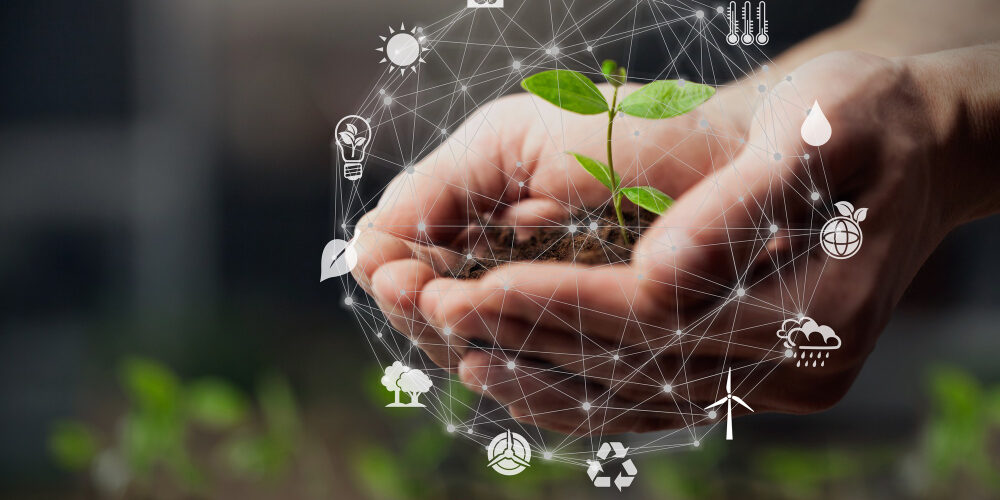

Sustainable farming is an agricultural approach that emphasizes environmental stewardship, economic viability, and social responsibility.
It involves practices that meet current food needs without compromising the ability of future generations to do the same.
This method integrates techniques such as crop rotation, cover cropping, reduced tillage, and integrated pest management to promote soil health, conserve water, and reduce pollution.
Environmental Benefits
Sustainable farming plays a crucial role in preserving the environment. Practices like cover cropping and reduced tillage enhance soil structure, increase organic matter, and promote biodiversity. These methods help sequester carbon, mitigating climate change.
According to the World Wildlife Fund, well-managed agricultural operations can preserve and restore critical habitats, protect watersheds, and improve soil health and water quality.
Economic Advantages
Adopting sustainable practices can lead to significant economic benefits for farmers. For instance, precision agriculture technologies have been shown to increase crop production by 4% and improve fertilizer placement efficiency by 7%, leading to cost savings.
Additionally, these technologies can reduce herbicide and pesticide use by 9%, fossil fuel use by 6%, and water use by 4%, contributing to overall farm profitability.
Community and Social Impact
Sustainable farming strengthens local communities by promoting food security and supporting local economies.
For example, Monika Ozwarski transformed her backyard garden into Sweet Tooth Farm in Des Moines, Iowa, donating over 7,700 pounds of food in 2024 to her community. Her efforts not only provide fresh produce but also foster community engagement and education.
Challenges and Solutions
Transitioning to sustainable agriculture presents challenges, including initial costs and the need for new knowledge. However, the long-term benefits often outweigh these hurdles.
A study by the Institute for European Environmental Policy indicates that the financial benefits of moving towards sustainable agriculture more than outweigh the costs of the transition at the global level.
The Future of Agriculture
The future of agriculture lies in sustainable practices that balance productivity with environmental health.
Companies like Jackson Family Wines are leading the way by committing to become climate positive by 2050 through initiatives focusing on water conservation and regenerative farming.
Embracing sustainable farming is essential for a resilient and healthy future. Support local farmers who use sustainable practices, advocate for policies promoting environmental stewardship, and consider implementing sustainable methods in your own gardening or farming endeavors.
Together, we can cultivate a sustainable future for generations to come.